Centre of Experimental Cardiooncology
Department of Biochemistry
Faculty of Medicine
Centre of Experimental Cardiooncology (Centrum Kardioonkologii Doświadczalnej – CKOD) is a university-wide unit of the Medical University of Gdańsk, established in 2025 as part of the Excellence Initiative – Research University (IDUB) program. Its mission is to integrate the scientific potential of the Medical University of Gdańsk, particularly in the fields of cardiology and oncology, and to create a platform for translational and interdisciplinary projects.
The establishment of CKOD is a direct result of the growing cooperation between researchers from basic and clinical sciences, carried out within the framework of the MUG Priority Research Areas, namely: Oncology, Cardiology and Cardiovascular Medicine, and Biochemistry, Genetics and Molecular Biology.
This collaboration enables a comprehensive approach to phenomena in the areas of cardiology and oncology, and at the interface between these fields, from molecular research, through tissue and cellular models, to clinical applications. As a result, CKOD serves as an example of the integration of basic sciences with clinical medicine, translating into tangible benefits for patients, including the development of new diagnostic and therapeutic methods for cardiotoxicity induced by oncological treatment.
CKOD Activity Profile
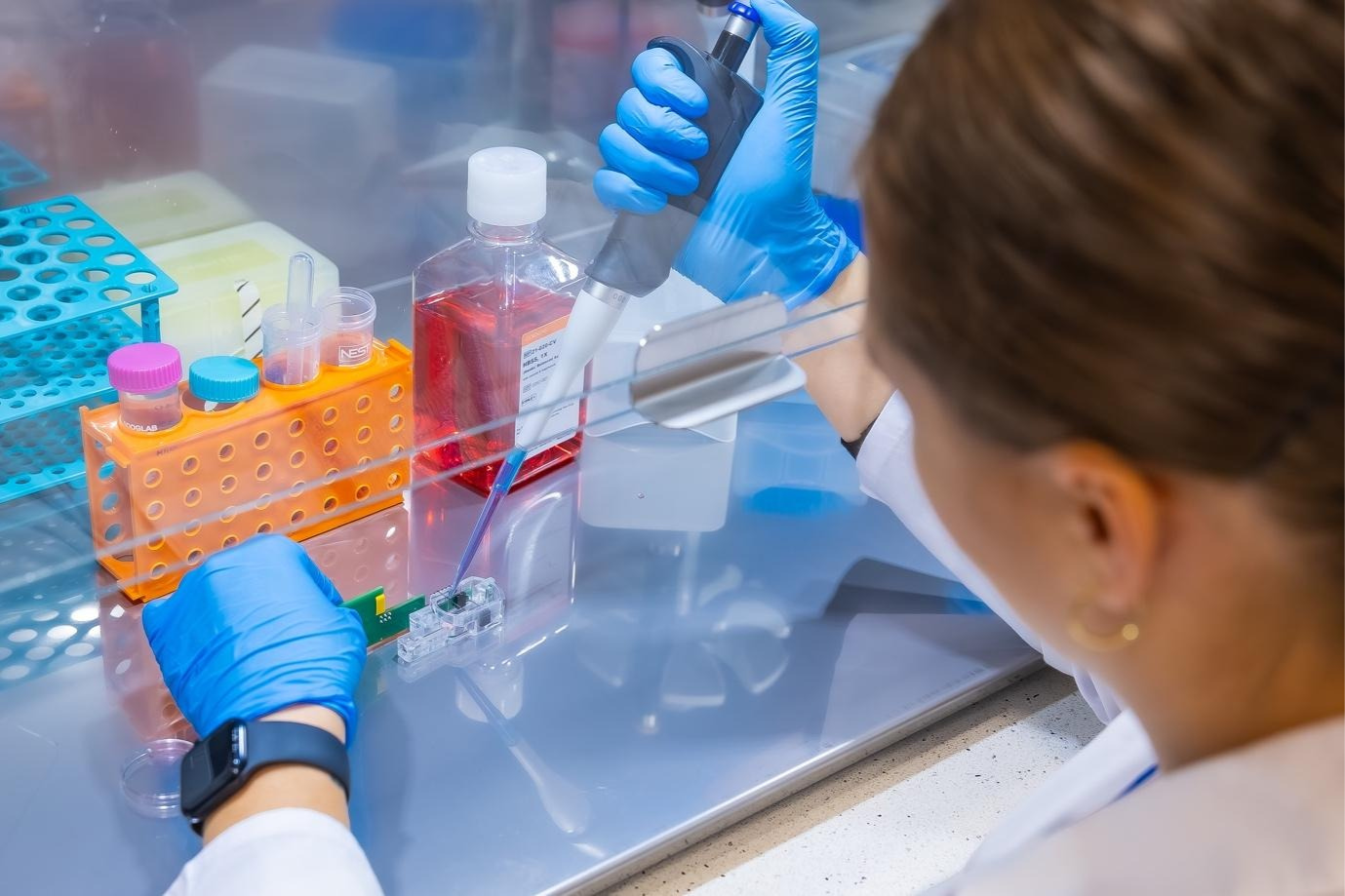
The overarching goal of CKOD is the development of innovative diagnostic and therapeutic solutions that address the challenges of modern medicine. The Centre conducts research with high translational potential, involving the use of unique preclinical experimental models, including primary cell cultures and tissue-based models, as well as advanced imaging technologies and cellular metabolism analysis.
The establishment of CKOD is a direct result of collaboration between researchers in basic and clinical sciences, aligned with all Priority Research Areas of the Medical University of Gdańsk. The Centre implements projects that a real prospect for the deployment of new diagnostic and therapeutic solutions on a European and global scale. One of the key areas of the Centre’s activity is the development of modern diagnostics and therapies for cardiovascular diseases, with particular emphasis on conditions associated with endothelial dysfunction, which may be induced by cancer, oncological therapies, and coexisting cardiometabolic risks. Furthermore, research is also being conducted on the molecular and cellular mechanisms of radiotherapy-induced cardiac conduction reprogramming.
A key element of the Unit’s work is the integration of the interdisciplinary community of researchers from basic and clinical sciences at the Medical University of Gdańsk and the University Clinical Centre in Gdańsk, in collaboration with universities affiliated with the Fahrenheit University Union, as well as partners from Poland and abroad. Currently, the Centre is conducting projects in collaboration with the Jagiellonian University, the Hirszfeld Institute of Immunology and Experimental Therapy of the Polish Academy of Sciences, the Institute of Animal Reproduction and Food Research of the Polish Academy of Sciences in Olsztyn, the National Institute of Oncology, the Warsaw University of Technology, The Centre of Postgraduate Medical Education, the National Institute of Cardiology, the Medical Centre in Amsterdam, and the University of Zurich.
OUR POTENTIAL AND SCOPE OF SERVICES
The primary goal of CKOD is to develop innovative diagnostic and therapeutic solutions that address current clinical challenges in cardiology, oncology, and the intersection of these fields. We conduct preclinical and translational research using unique experimental models and advanced research techniques.
The main areas of CKOD’s activity include:
- The use of primary cell culture models and living tissue slices in experimental research, including ex vivo human heart and vascular tissues,
- The development of new diagnostic strategies through the identification of biomarkers of early cardiac and vascular injury, including those occurring in the course of cancer and during oncological therapies,
- The identification of new therapeutic targets in cardiovascular pathologies,
- Interdisciplinary research projects based on collaboration with experts within the Priority Research Areas of the IDUB program, universities associated within the Fahrenheit Universities Union, and national and international partners.
Research Infrastructure and Available Equipment
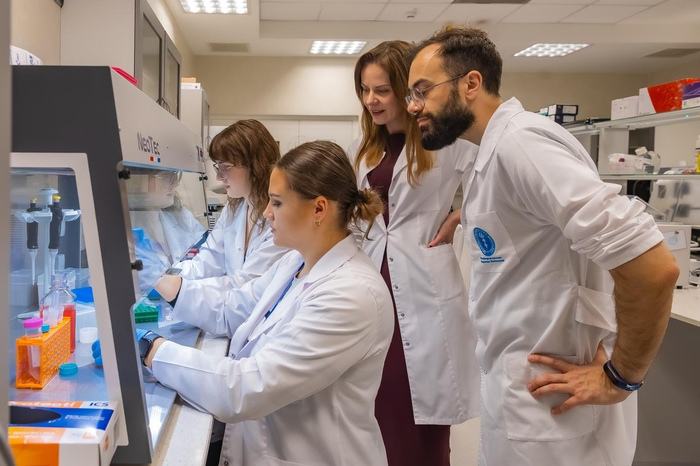
As part of CKOD’s activities, research is conducted in the following laboratories:
Cell and Tissue Metabolism Laboratory
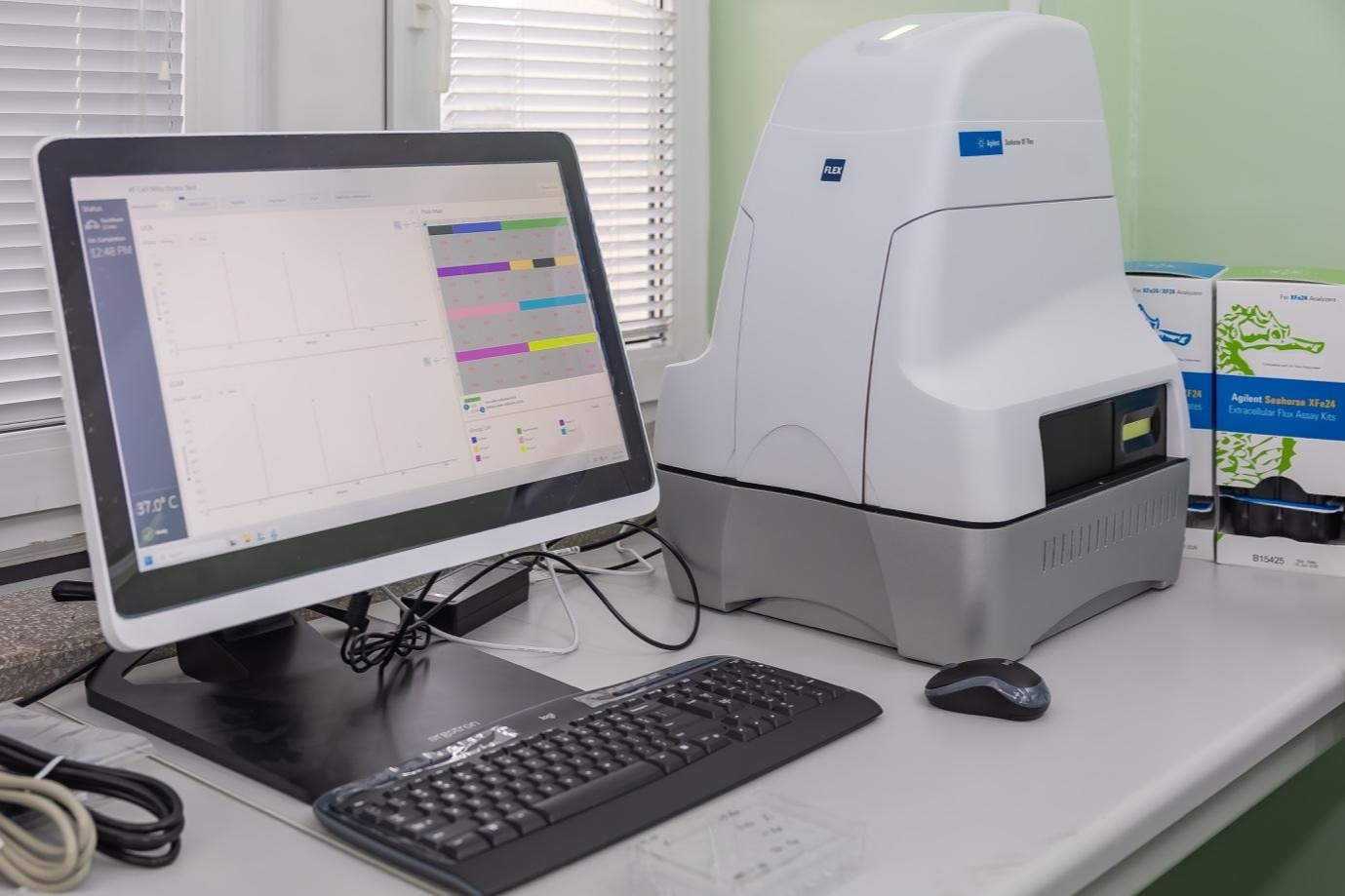
- Seahorse XFp Flex metabolic analyzer (Seahorse BioScience), – the first instrument of this type in Poland and the second in Europe, enabling ultrasensitive measurements of oxygen consumption rate (OCR), reflecting mitochondrial respiration, and extracellular acidification rate (ECAR), reflecting glycolysis, in live cells, 3D cell models, and tissue slices. Oxygen consumption rate can also be measured in isolated mitochondria or permeabilized cells,
- Nexera LC-2040 and Nexera LC-40 liquid chromatographs (Shimadzu)
- Orbitrap Exploris 480 mass spectrometer coupled with a Vanquish liquid chromatograph or an Ultimate 3000 nano-liquid chromatograph (Thermo Fisher Scientific),
- MicroTOF-Q II mass spectrometer (Bruker) coupled with an Ultimate 3000 liquid chromatograph or an Ultimate 3000 nano-liquid chromatograph (Thermo Fisher Scientific),
- TSQ Vantage EMR triple quadrupole mass spectrometer (Thermo Fisher Scientific) coupled with a Surveyor liquid chromatograph or an Ultimate 3000 nano-liquid chromatograph,
- XL-180 automatic biochemical analyzer (Erba, Mannheim) with an open system, designed for spectrophotometric and immunoturbidimetric measurements (wavelength range: 340–700 nm). The analyzer offers a broad test menu enabling biochemical assays in serum, plasma, and urine. It is equipped with an extensive quality control program and allows up to 180 tests per hour. The small reaction mixture volume (180 µL), dispensed using a precision sapphire syringe, enables the use of minimal amounts of biological material.
Organotypic Living Tissue Slice Laboratory
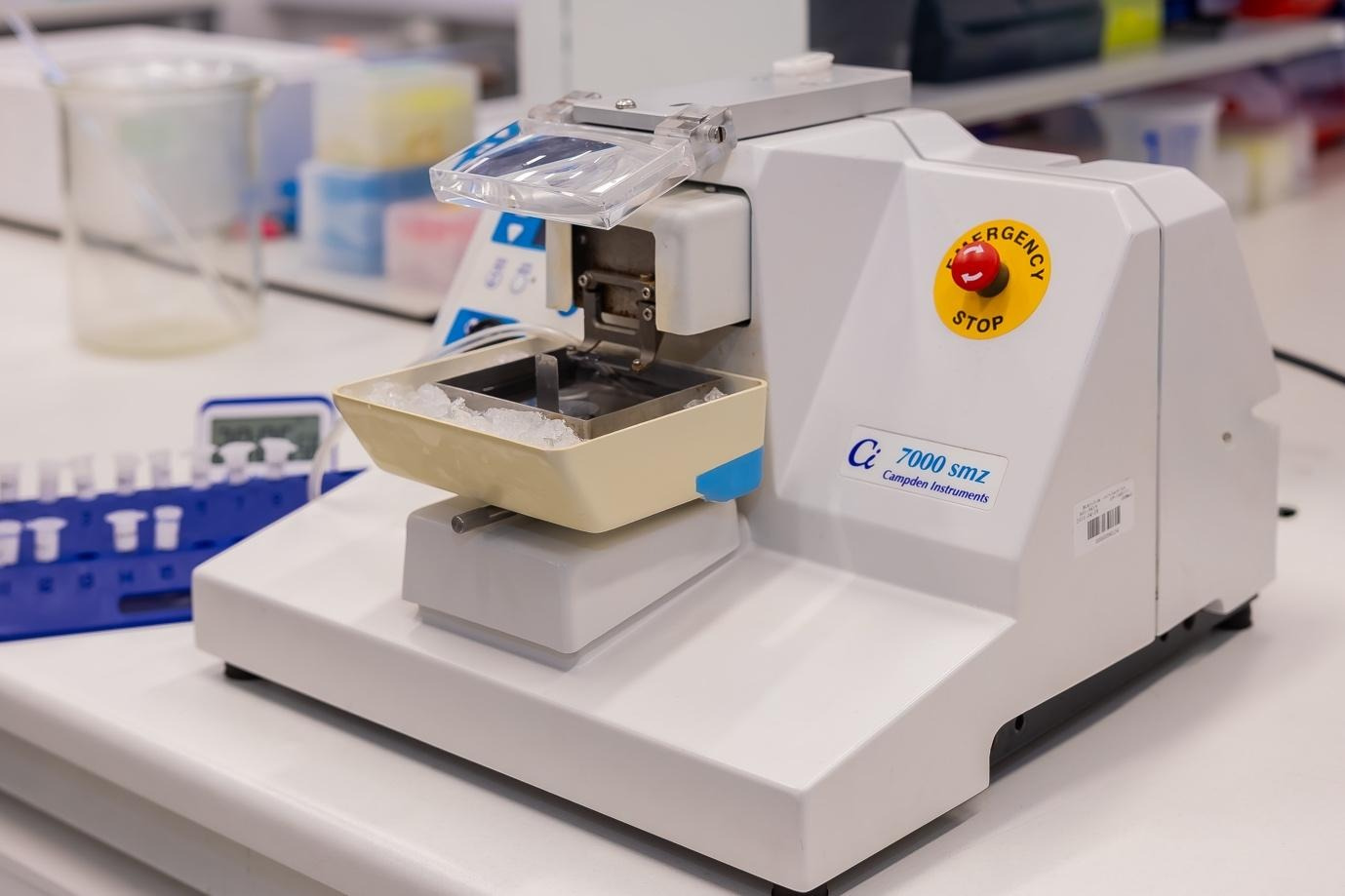
- Cooled vibrating microtome, enabling sectioning of living tissues under oxygenated isolation buffer conditions,
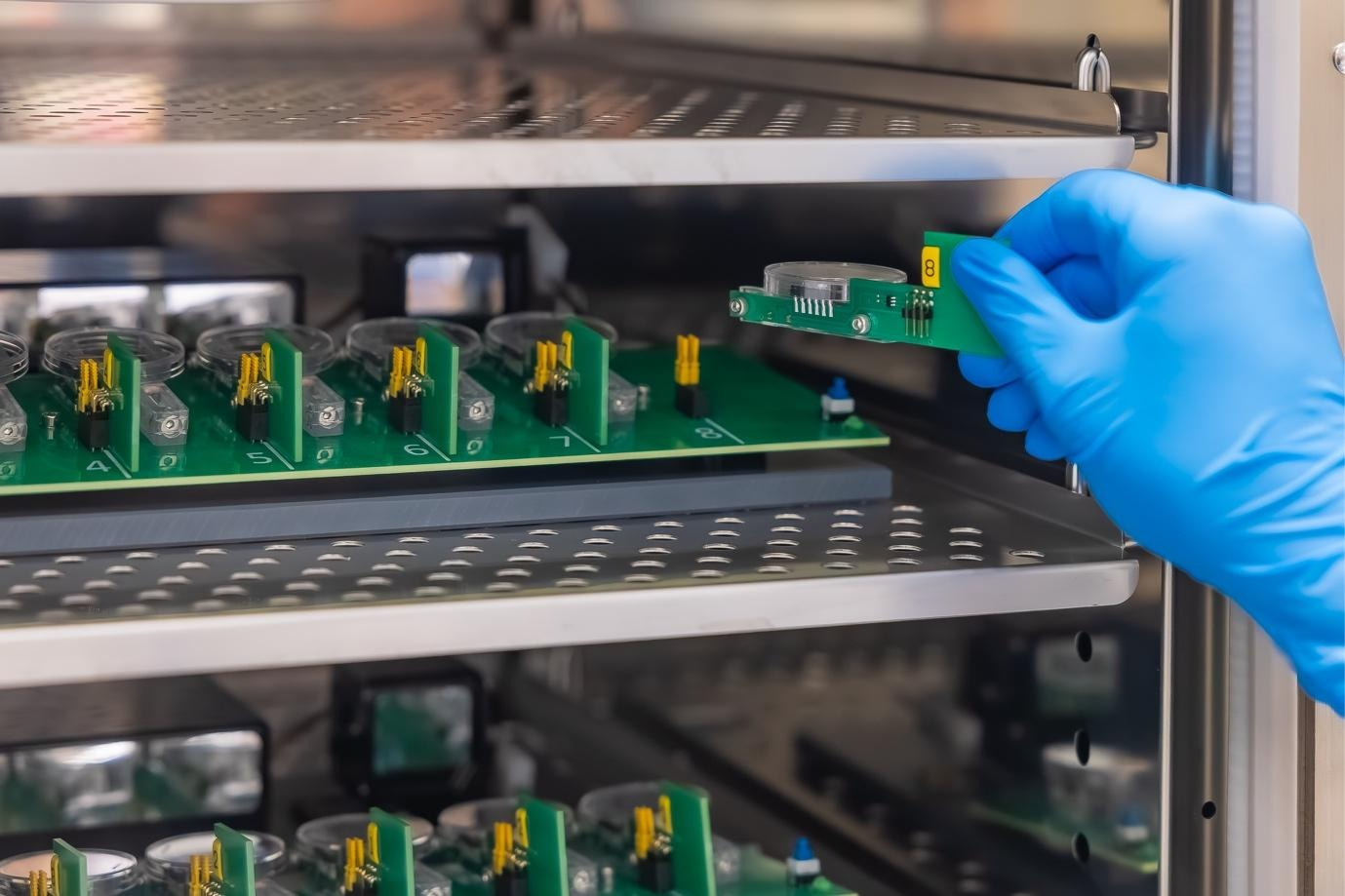
- Incubator for organotypic tissue slice culture (slice thickness: 100–300 μm) with controlled carbon dioxide atmosphere,
- Tissue isolation and culture system compatible with imaging and metabolic analyses
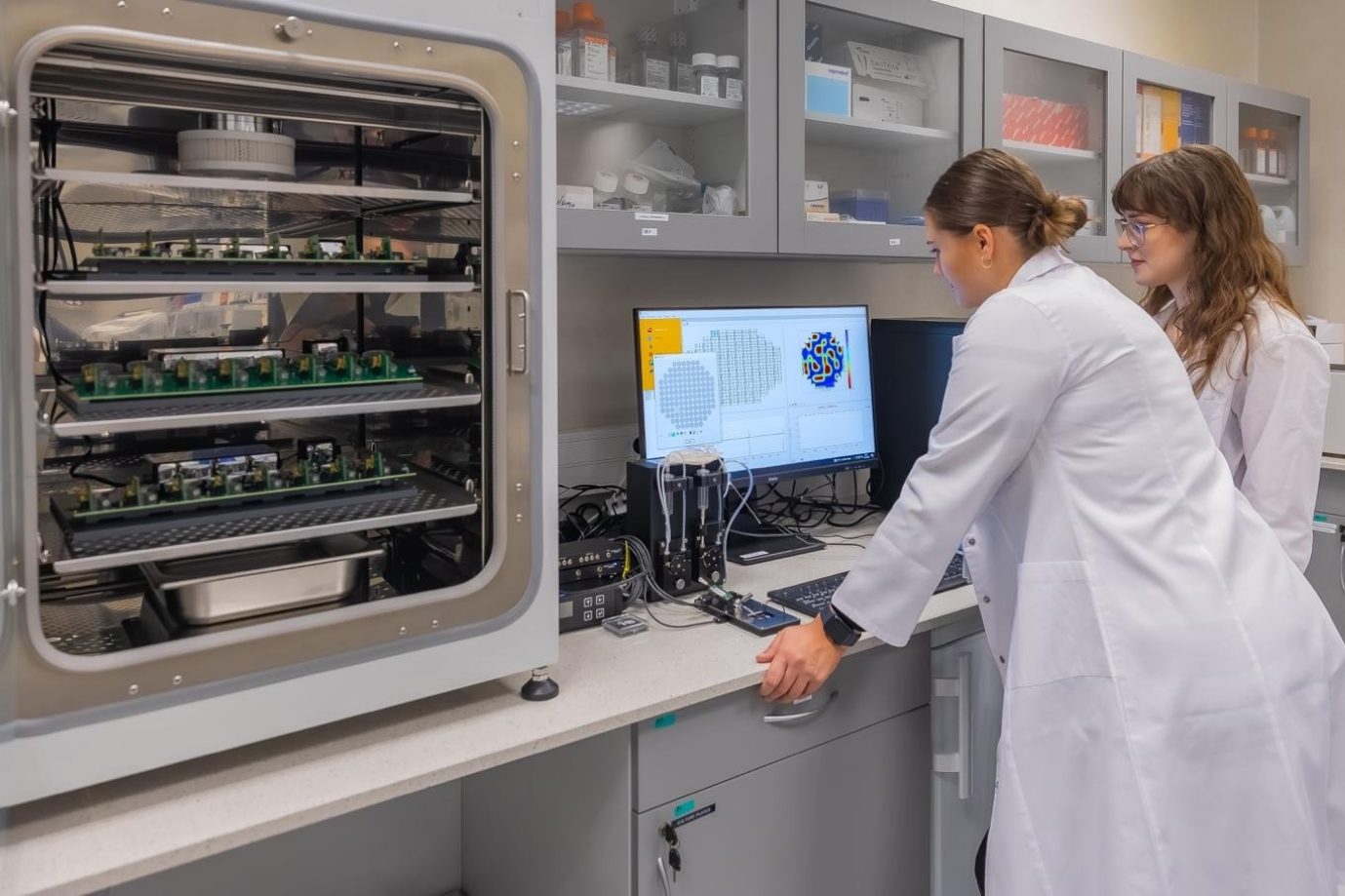
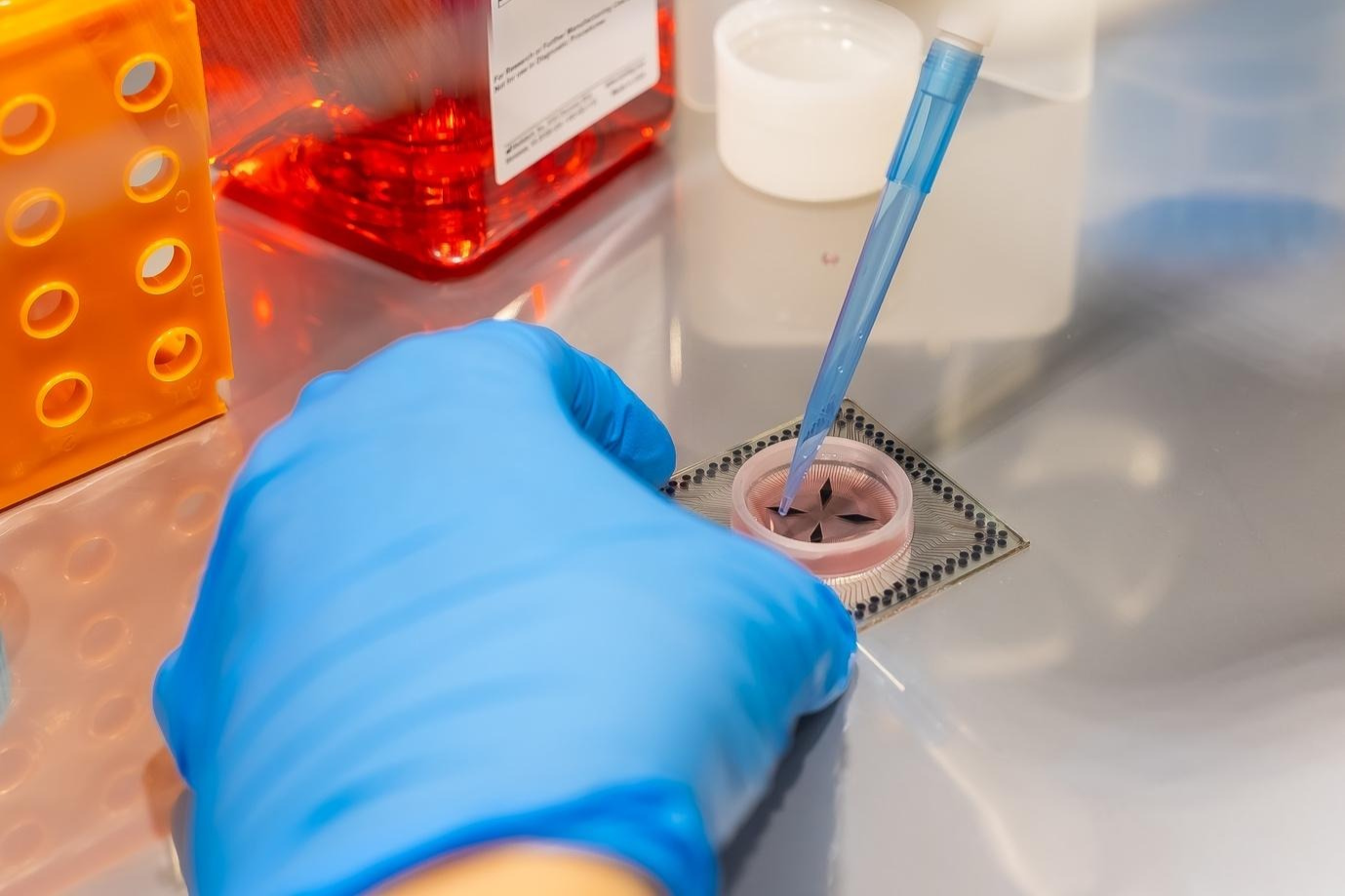
- Multi-Electrode Array (MEA) system for recording action potentials in cardiac tissue slices,
- System for culturing cardiac slices under electrical field stimulation (MyoDish In Vitro System),
- Ex vivo vessel isolation system,
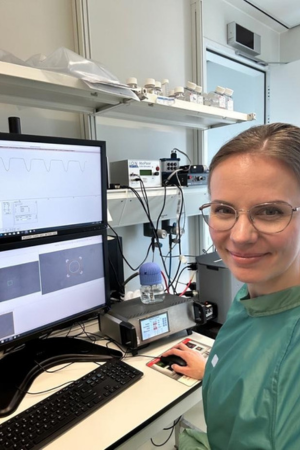
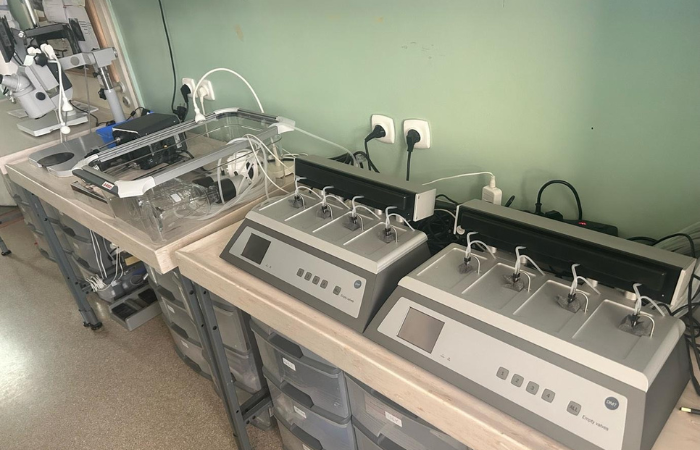
- Eight-channel wire myograph system (Danish Myo Technology – DMT) with an advanced semi-automated perfusion system, designed for studies of endothelium-dependent and endothelium-independent responses of isolated vascular rings obtained during routine invasive procedures.
Cell Culture Laboratory
- Cell culture incubators with controlled carbon dioxide and nitrogen atmosphere, enabling hypoxic conditions,
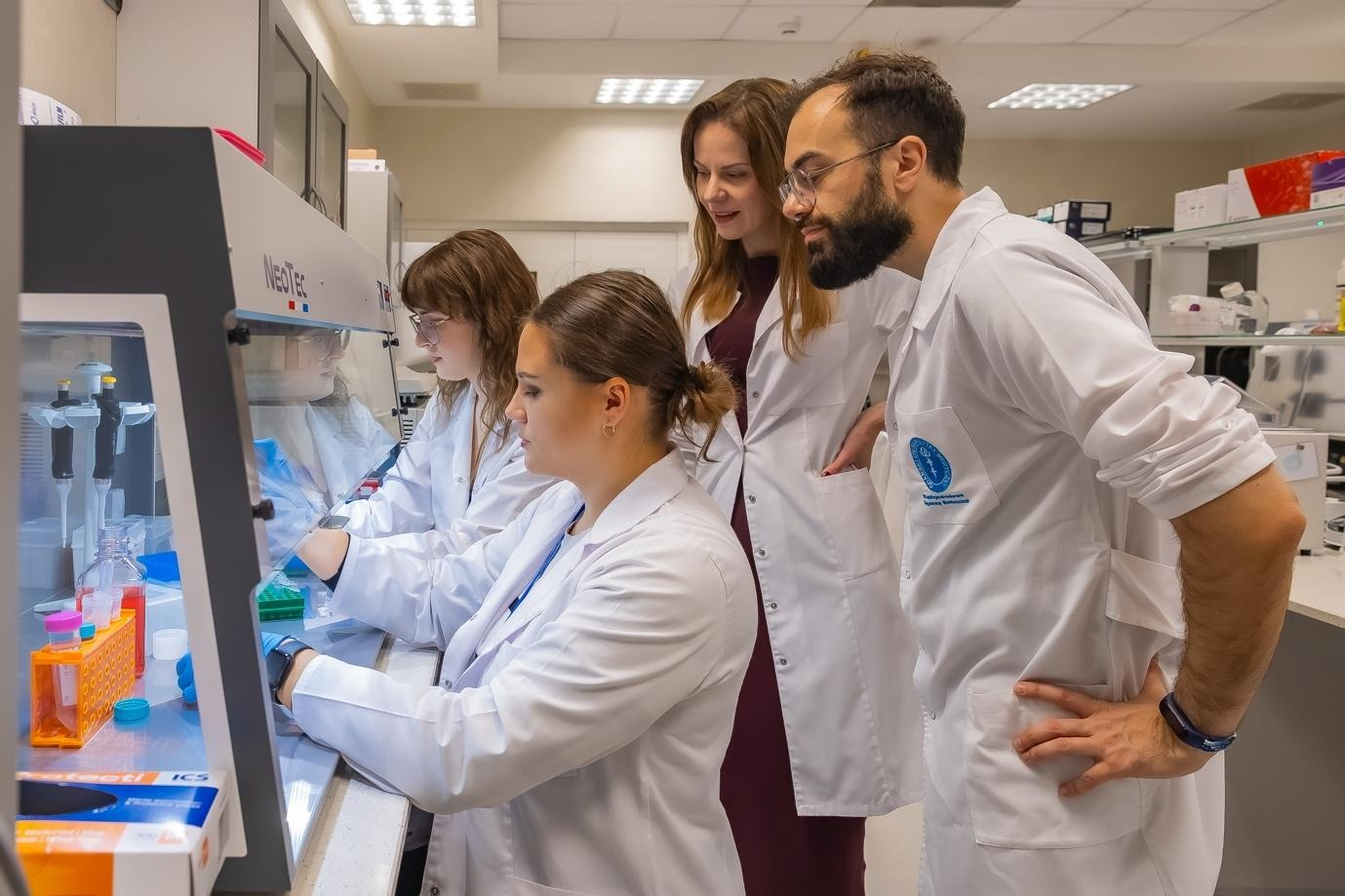
- Laminar flow hoods with vertical and horizontal airflow,
- Inverted light microscope,
- High-speed refrigerated laboratory centrifuges,
- Microhematocrit centrifuge,
- Microcentrifuge.
Imaging Laboratory
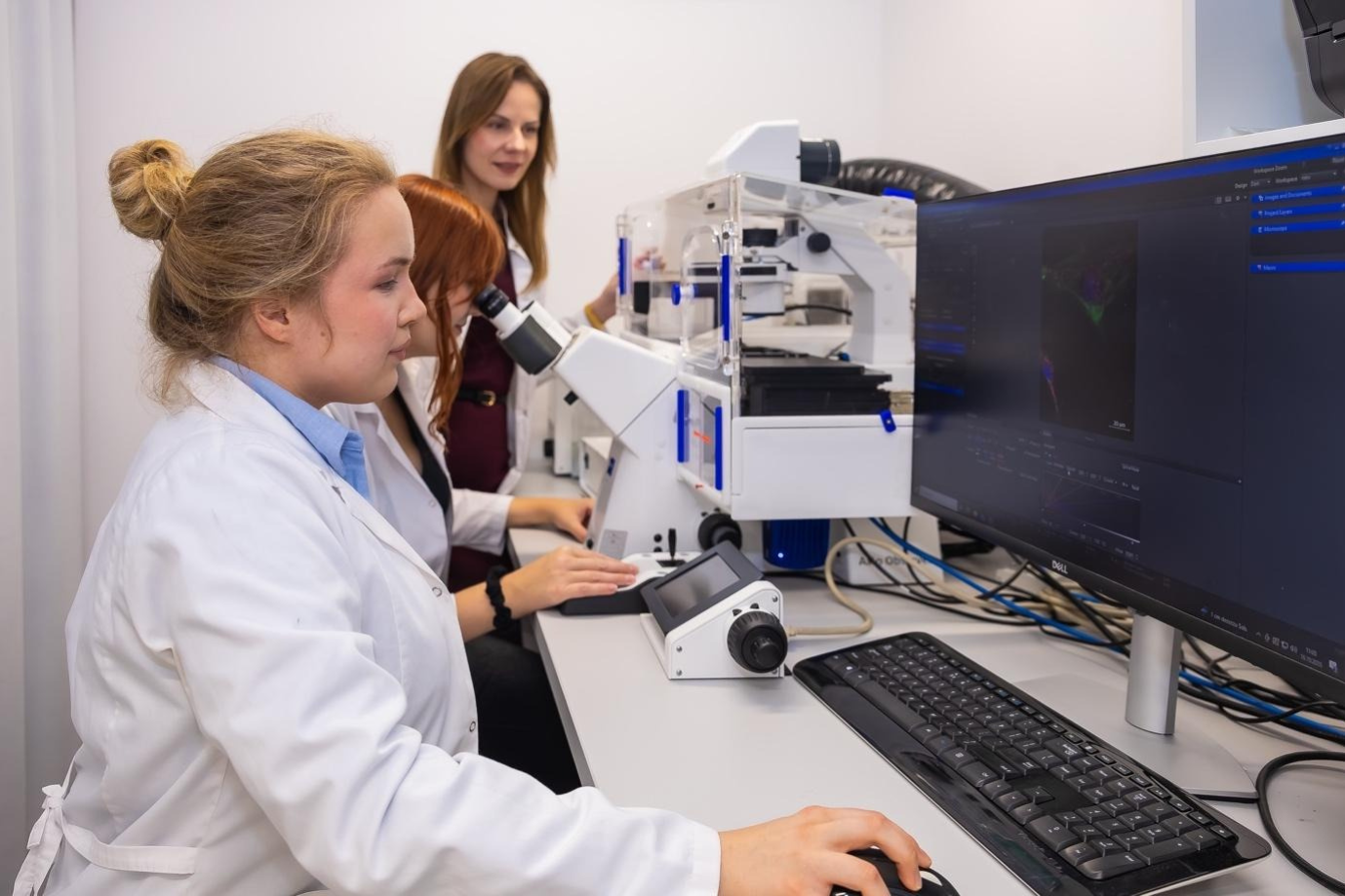
- Zeiss Axio Observer 7 inverted fluorescence microscope, equipped with an incubation chamber with a dual-channel gas mixer (allowing regulation of oxygen levels in the chamber) and temperature control; Axiocam 105 color camera; Axiocam 305 digital monochrome camera; full x/y/z automation; autofocus; ApoTome.2 structured illumination fluorescence system; EC Plan-Neofluar objectives (10×, 20×, 40×, 62×); HXP 120 light source; two filter sets: (1) DAPI, FITC, TRITC, Cy5 and (2) CFP, YFP, Hc Red; Nomarski DIC contrast; and Zeiss ZEN 2.6 Pro (Hardware) software package,
- Orbitrap Exploris 480 mass spectrometer coupled with an AP-MALDI UHR mass imaging source (MassTech).
Irradiation Laboratory
- Varian TrueBeam HD linear accelerator operating at an accelerating voltage of 6 MV
- Plexiglass phantoms with a set of Farmer-type ionization chambers for precise weekly dose measurements,
- QuickCheck device for daily monitoring of accelerator stability,
- MPC phantom, enabling daily verification of full system geometry,
- Semiflex 3D ionization chambers for measurements in a water phantom, and a Diamond detector, ideal for small-field measurements under phantom conditions,
- Octavius 4D PTW phantom and semiconductor detector array, enabling verification of irradiation plans for both conventionally fractionated radiotherapy and stereotactic techniques,
- Treatment plan verification system using an Electronic Portal Imaging Device (EPID) and Gafchromic™ films, supported by a dedicated scanner and film analysis software,
- Mobius independent dose calculation system, enabling independent verification of dose distribution regardless of the radiotherapy treatment planning system,
- Acuros and AAA algorithms, allowing for more precise dose calculations, particularly in the presence of high-density materials such as titanium implants,
- CT iMAR imaging system, supporting precise localization of cardiac structures while accounting for materials of varying density.
In Vivo Research Laboratory
- Rat and mouse models of cardiovascular pathologies, including hypertension, dyslipidemia, atherosclerosis, heart failure, and arrhythmia,
- Mouse models of oncological diseases, including breast cancer, lung cancer, pleural mesothelioma, and melanoma,
- Ultrasound and echocardiography system – Vero 1100 Imaging System,
- Electrocardiography (ECG) system,
- Inhalation anesthesia system,
- Langendorff perfusion system,
- Ventilator for laboratory animals.
CKOD Activities Aim to:
- Strengthen collaboration between basic science and clinical researchers,
- Increase capacity for translational projects, including preclinical research in cardiology, oncology, and at the interface of these disciplines,
- Reduce the incidence of cardiovascular complications in patients undergoing oncological treatment, directly translating into improved quality of life and survival,
- Enable early diagnosis and precise monitoring of the cardiovascular system during and after anticancer therapy through the implementation of modern diagnostic tools,
- Personalize treatment, allowing for better adjustment of therapy intensity and type to the individual patient profile, taking into account the risk of cardio- and vasculotoxicity,
- Drug repurposing, i.e., demonstrating the beneficial effects of known compounds in the prevention and treatment of cardiovascular diseases in oncology patients,
- Improve the effectiveness of radiotherapy and chemotherapy by optimizing doses and treatment regimens that minimize damage to the myocardium and blood vessels.
EXTERNAL SERVICES OFFER
The Centre provides services for external entities. Currently, the Unit performs analyses based on individual commissions tailored to the specific needs of contractors, including in the following areas:
- Isolation and culture of biological models: isolation and culture of organotypic tissue slices, organoids, and primary cultures, establishment and maintenance of cell and tissue cultures, preparation of ex vivo and 3D models,
- Vascular and endothelial function analyses: assessment of vascular and endothelial function in experimental models, analysis of endothelial activity in tissues and cell cultures, functional studies of the vascular system ex vivo and in vitro,
- Cellular functional assays: analyses in cell cultures, evaluation of responses to stimuli and therapies, biofunctional cellular analyses in vitro and in tissues, functional studies of the vascular system ex vivo and in vitro, drug repurposing,
- Tissue and cell culture imaging: advanced imaging of tissues and cell cultures; light and fluorescence microscopy, mass spectrometry imaging of tissues, organotypic slices, and organoids, morphological analysis of biological material,
- Electrophysiological analyses in experimental models: cellular electrophysiology using multi-electrode arrays (MEA), recording of bioelectrical activity of cells and tissues, analysis of electrophysiological signals in MEA systems,
- Metabolic analyses: metabolic profiling of cells and tissues, metabolic characterization of biological materials (blood, plasma, serum, urine), cells isolated from blood and tissues, comprehensive metabolic analyses,
- Metabolic flow and bioenergetics analyses of cells: assessment of bioenergetics and metabolic fluxes, advanced analysis of metabolic pathways in cell cultures and tissues.
EDUCATIONAL OFFER
The Centre for Experimental Cardiooncology offers facultative courses for students of the Faculty of Medicine at the Medical University of Gdańsk. Classes are conducted by qualified academic staff and cover the following topics:
- Laboratory Diagnostics in Cardiooncology – A Key to Early Risk Assessment and Therapy Personalization
- Cellular Bioenergetics as a Novel Diagnostic and Therapeutic Target in Modern Oncology (course conducted in Polish and English)
- How to Communicate with the Laboratory? The Role of Laboratory Diagnostics and Interdisciplinary Communication in Clinical Decision-Making
Ongoing Research Projects Supported by External Funding:

Barbara Kutryb-Zając, PhD, assoc. prof., Principal Investigator of the OPUS NCN project, and prof. Marcin Hellmann, leader of the clinical part of the project, head of the Department of Cardiac Diagnostics
Project Title: Living myocardial slices as a translational platform for identifying cardiotoxicity biomarkers and personalizing anticancer therapy
- Funding Programme: Polish Society of Cardiology Grant 2025 (in collaboration with SERVIER)R
- Collaborating Units (Medical University of Gdańsk): Department of Cardiac & Vascular Surgery, Department of Oncology & Radiotherapy, Division of Cardiology & Electrotherapy, Department of Biochemistry, Department of Biopharmacy, Department of Cardiac Diagnostics, Centre for Translational Medicine, Department of Pathomorphology
- Total Funding: 225 000 PLN
- Principal Investigator: Dr. Habil. Barbara Kutryb-Zając, Assoc. Prof.
More information about this project is available on the National Science Centre website
Project Title: Ecto-enzymes in interactions of vascular endothelium with blood-circulating cells in physiology, pathology, and therapy: could cells exchange their ecto-enzymes?
- Funding Programme: SONATA NCN
- Consortium: Medical University of Gdańsk (leader), Jagiellonian University (partner)
- MUG Collaboration: Department of Biochemistry, Department of Cardiac Diagnostics
- Total Funding: 1 498 740 PLN
- Principal Investigator: Dr. Habil. Barbara Kutryb-Zając, Assoc. Prof.
Project Title: Combating Hypoxia to Prevent Right Ventricular Failure in Experimental Pulmonary Hypertension – Role of Energetics, Fibrosis, and Sex: a Step Toward Personalized Therapy (H-RVF)
- Funding Programme: OPUS NCN
- Consortium: Centre of Postgraduate Medical Education (leader), Medical University of Gdańsk (partner), Jagiellonian University (partner)
- MUG Collaboration: Department of Biochemistry, Department of Cardiac Diagnostics
- Total Funding: 3 521 840 PLN
- Principal Investigator: Dr. Habil. Barbara Kutryb-Zając, Assoc. Prof.
Project Title: Endothelial Bioenergetics as a Novel Target for Vascular Protection – Unveiling the Mitochondrial Mechanisms of Lipid-Lowering Therapies
- Funding Programme: PRELUDIUM NCN
- Consortium: Medical University of Gdańsk (leader), Jagiellonian University (partner)
- MUG Collaboration: Department of Biochemistry, Department of Cardiac Diagnostics
- Total Funding: 209 520 PLN
- Principal Investigator: Alicja Braczko, Ph.D.
Project Title: Radiotherapy-induced cardiac conduction reprogramming – a molecular perspective
- Funding Programme: SONATA NCN
- Consortium: Medical University of Gdańsk (leader), Jagiellonian University (partner)
- MUG Collaboration: Department of Biochemistry, Department of Cardiac Diagnostics
- Total Funding: 1 498 740 PLN
- Principal Investigator: Dr. Habil. Barbara Kutryb-Zając, Assoc. Prof.
Project Title: Ecto-enzymes in interactions of vascular endothelium with blood-circulating cells in physiology, pathology, and therapy: could cells exchange their ecto-enzymes?
- Funding Programme: OPUS NCN
- Consortium: Medical University of Gdańsk (leader), Jagiellonian University (partner)
- MUG Collaboration: Department and Clinic of Oncology & Radiotherapy, Department of Biochemistry, Department of Cardiac & Vascular Surgery, Department of Pathomorphology, International Research Agenda
- Total Funding: 2 254 560 PLN
- Principal Investigator: Bartłomiej Tomasik, Ph.D.
More information about the project on the website
Project Title: Molecular Basis of Cardiac Conduction Reprogramming Induced by Radiotherapy
- Funding Programme: MNiSW Student Scientific Clubs Create Innovations
- Consortium: MNiSW Student Scientific Clubs Create Innovations
- MUG Collaboration: Department and Clinic of Oncology & Radiotherapy, Department of Biochemistry
- Total Funding: 68 600 PLN
- Principal Investigator: Bartłomiej Tomasik, Ph.D.
Scientific achievements of the team (2023-2026):
WALCZAK I, BRACZKO A, Paterek A, Rolski F, URBANOWICZ K, TARNAWSKA M, Knapczyk R, PARZUCHOWSKA A, SMOLEŃSKI R, HELLMANN M, Mączewski M, KUTRYB-ZAJĄC B.
Dapagliflozin, an SGLT2 inhibitor, improves endothelial cell energy metabolism through enhanced mitochondrial respiration
Cell. Physiol. Biochem.
2025 : vol. 59, nr 2, s. 235-251, bibliogr. 46 poz., streszcz. ang.
TARNAWSKA M, WALCZAK I, Paterek A, Rolski F, Knapczyk R, Mączewski M, Cracowski J, HELLMANN M, KUTRYB-ZAJĄC B.
Special focus on the mitochondria in endothelial cells: a novel therapeutic target for gliflozins?
Biomed. Pharmacother.
2025 : vol. 188, art. ID 118210, s. 1-18, bibliogr. 165 poz., streszcz. ang.
Urbańska J, Prus A, KRÓLAK T, KONOPA K, KAMIŃSKA J, NACZK E, NOWAK R, Szewczyk P, LEWICKA E, LIŻEWSKA-SPRINGER A, DANIŁOWICZ-SZYMANOWICZ L, BIEŃKOWSKI M, JASSEM J, DZIADZIUSZKO R, TOMASIK B.
Repeated stereotactic radioablation for recurrent ventricular tachycardia in a patient with lung cancer
Cardiol. J.
2025 : vol. 32, nr 4, s. 411-415, bibliogr. 10 poz.
van der Pol L, Blanck O, Grehn M, Blazek T, Knybel L, Balgobind B, Verhoeff J, Miszczyk M, Blamek S, Reichl S, Andratschke N, Mehrhof F, Boda-Heggemann J, TOMASIK B, Mandija S, Fast M.
Auto-contouring of cardiac substructures for stereotactic arrhythmia radioablation (STAR): a STOPSTORM.eu consortium study
Radiother. Oncol.
2025 : vol. 202, art. ID 110610, s. 1-8, bibliogr. 32 poz., streszcz. ang.
KUTRYB-ZAJĄC B, KAWECKA A, HARASIM G, BIEŃKOWSKI M, STAWARSKA K, URBANOWICZ K, SMOLEŃSKI R, KOWALIK M, KOŁACZKOWSKA M, SIONDALSKI P.
Purinergic ecto-enzymes in human and ovine aortic valves: indicators of bacterial nanocellulose scaffold cellularization
Artif. Cell. Nanomed. Biotechnol.
2025 : vol. 53, nr 1, s. 219-230, bibliogr. 48 poz., streszcz. ang.
PARZUCHOWSKA A, TARNAWSKA M, SMOLAREK D, KUTRYB-ZAJĄC B, HELLMANN M.
Nicotinamide adenine dinucleotide fluorescence monitoring as a potential tool for the microvascular and mitochondrial function assessment in heart failure
Cardiol. J.
2025 : vol. 32, nr 6, s. 692-694, bibliogr. 10 poz.
Topa J, RICHERT J, STOKOWY T, Staśczak A, SZAJEWSKI M, CIESIELSKI M, Grešner P, TOMASIK B, Arcimowicz Ł, STANKIEWICZ A, SUCHODOLSKA G, SENKUS E, KRUSZEWSKI W, ŻACZEK A, MARKIEWICZ A.
Characterizing epithelial-mesenchymal transition-linked heterogeneity in breast cancer circulating tumor cells at a single-cell level
Mol. Oncol.
v
2025 : vol. 19, nr 12, s. 3685-3705, bibliogr. 82 poz., streszcz. ang.
KUTRYB-ZAJĄC B, Hoogervorst R, STAWARSKA K, KAWECKA A, JĘDRZEJEWSKA A, SIONDALSKI P, SMOLEŃSKI R, Van Der Velden J.
Exploring nucleotide metabolism and nicotinamide riboside effects in hypertrophic cardiomyopathy
Eur. J. Heart Fail.
2025 : vol. 27, suppl. S1, s. 21
STAWARSKA K, KAWECKA A, KAMIŃSKA J, SIONDALSKI P, KUTRYB-ZAJĄC B, TOMASIK B.
Reprogramowanie metabolizmu energetycznego w sercu pod wpływem radioterapii
Folia Med. Crac.
2025 : t. LXV, suppl. 2, s. 53
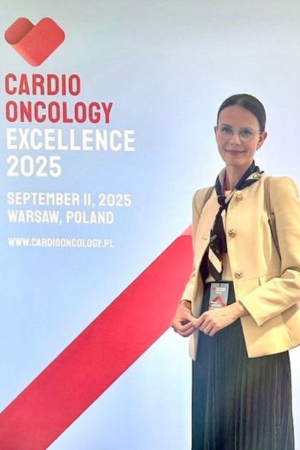
Nowakowski M, KUTRYB-ZAJĄC B, Heather L, Leszek P, Łuniewska O, URBANOWICZ K, Mączewski M, Nogajski Ł, Mączewski M, Paterek A.
Utrata zdolności buforującej tkanki tłuszczowej nasierdziowej wiąże się z lipotoksycznością mięśnia sercowego w niewydolności serca ze zmniejszoną frakcją wyrzutową
Folia Med. Crac.
2025 : t. LXV, suppl. 2, s. 45
KAWECKA A, STAWARSKA K, ROMANOWSKA-KOCEJKO M, ŻARCZYŃSKA-BUCHOWIECKA M, JĘDRZEJEWSKA A, BRACZKO A, DEPTUŁA M, ZAWRZYKRAJ M, KRÓL O, FRAŃCZAK M, HARASIM G, PIKUŁA M, HELLMANN M, KUTRYB-ZAJĄC B.
Adenosine deaminase mediates endothelial inflammation via an ADA1-CD26 interaction in post-COVID
Front. Pharmacol.
2025 : vol. 16, art. ID 1578973, s. 1-10, bibliogr. poz., streszcz. ang.
MIERZEJEWSKA P, Papiernik D, Denslow A, Zabrocka A, KUTRYB-ZAJĄC B, Charkiewicz K, BRACZKO A, SMOLEŃSKI R, Wietrzyk J, SŁOMIŃSKA E.
4-Pyridone-3-carboxamide-1-ß-D-ribonucleoside reduces cyclophosphamide effects and induces endothelial inflammation in murine breast cancer model
Int. J. Mol. Sci.
2025 : vol. 26, nr 1, art. ID 35, s. 1-15, bibliogr. 46 poz., streszcz. ang.
KURLAPSKI M, BRACZKO A, Dubiela P, WALCZAK I, KUTRYB-ZAJĄC B, ZAUCHA J.
Metabolic interactions in the tumor microenvironment of classical Hodgkin lymphoma: implications for targeted therapy
Int. J. Mol. Sci.
2025 : vol. 26, nr 15, art. ID 7508, s. 1-26, bibliogr. 131 poz., streszcz. ang.
ROMANOWSKA-KOCEJKO M, BRACZKO A, JĘDRZEJEWSKA A, ŻARCZYŃSKA-BUCHOWIECKA M, Kocejko T, KUTRYB-ZAJĄC B, HELLMANN M.
Follow-up assessment of the microvascular function in patients with long COVID
Microvasc. Res.
2025 : vol. 157, art. ID 104748, s. 1-8, bibliogr. poz., streszcz. ang.
Available from: rft.date=2025&rft.volume=157&rft.spage=1&rft.issn=0026-2862
doi: 10.1016/j.mvr.2024.104748
Knapczyk R, WALCZAK I, Rolski F, Leszek P, Paterek A, Kapusta M, Narajczyk M, HELLMANN M, Mączewski M, KUTRYB-ZAJĄC B.
Multimodal assessment of the energy metabolism and oxidative stress in coronary microvascular endothelial cells during heart failure
Post. Biochem.
2025 : t. 71, nr S1, s. 15
TOMASIK B, Garbicz F, Braun M, BIEŃKOWSKI M, JASSEM J.
Heterogeneity in precision oncology
Camb. Prisms Precis. Med.
2024 : vol. 2, art. ID e2, s. 1-22, bibliogr. poz., streszcz. ang.
ROMANOWSKA-KOCEJKO M, JĘDRZEJEWSKA A, BRACZKO A, STAWARSKA K, KRÓL O, FRAŃCZAK M, HARASIM G, SMOLEŃSKI R, HELLMANN M, KUTRYB-ZAJĄC B.
Red blood cell adenylate energetics is related to endothelial and microvascular function in long COVID
Biomedicines
2024 : vol. 12, nr 3, art. ID 554, s. 1-15, bibliogr. 41 poz., streszcz. ang.
Karaś A, Bar A, Pandian K, Jasztal A, Kuryłowicz Z, KUTRYB-ZAJĄC B, Buczek E, Rocchetti S, Mohaissen T, JĘDRZEJEWSKA A, Harms A, Kaczara P, Chłopicki S.
Functional deterioration of vascular mitochondrial and glycolytic capacity in the aortic rings of aged mice
GeroScience
2024 : vol. 46, nr 4, s. 3831-3844, bibliogr. 59 poz., streszcz. ang.
ŁOŚ A, WALCZAK I, BIEŃKOWSKI M, KUTRYB-ZAJĄC B, HELLMANN M.
New insight into the aortic microcirculation in coronary disease: Intraoperative laser Doppler flow measurement and vasa vasorum imaging
Kardiol. Pol.
2024 : t. 82, nr 10, s. 1008-1009, bibliogr. 5 poz.
Available from: rft.date=2024&rft.volume=82&rft.issue=10&rft.spage=1008&rft.issn=0022-9032
doi: 10.33963/v.phj.101739
29
ZABIELSKA-KACZOROWSKA M, STAWARSKA K, KAWECKA A, URBANOWICZ K, SMOLEŃSKI R, KUTRYB-ZAJĄC B.
Nucleotide depletion in hypoxia experimental models of mouse myocardial slices
Nucleos. Nucleot. Nucleic Acids
2024 : vol. 43, nr 8, s. 1-13, bibliogr. 35 poz., streszcz. ang.
KUTRYB-ZAJĄC B.
Editorial for the special issue titled “Adenosine metabolism: key targets in cardiovascular pharmacology”
Pharmaceuticals
2024 : vol. 17, nr 6, art. ID 751, s. 1-4, bibliogr. 16 poz.
Available from: rft.date=2024&rft.volume=17&rft.issue=6&rft.spage=1&rft.issn=1424-
KUTRYB-ZAJĄC B, KAWECKA A, Nasadiuk K, BRACZKO A, Stawarska K, Caiazzo E, KOSZAŁKA P, Cicala C.
Drugs targeting adenosine signaling pathways: a current view
Biomed. Pharmacother.
2023 : vol. 165, art. ID 115184, s. 1-25, bibliogr. 316 poz., streszcz. ang.
BRACZKO A, HARASIM G, KAWECKA A, Walczak I, Kapusta M, Narajczyk M, Stawarska K, SMOLEŃSKI R, KUTRYB-ZAJĄC B.
Blocking cholesterol formation and turnover improves cellular and mitochondria function in murine heart microvascular endothelial cells and cardiomyocytes
Front. Physiol.
2023 : vol. 14, art. ID 1216267, s. 1-16, bibliogr. poz., streszcz. ang.
JĘDRZEJEWSKA A, KAWECKA A, BRACZKO A, ROMANOWSKA-KOCEJKO M, Stawarska K, DEPTUŁA M, ZAWRZYKRAJ M, Franczak M, KRÓL O, HARASIM G, Walczak I, PIKUŁA M, HELLMANN M, KUTRYB-ZAJĄC B.
Changes in adenosine deaminase activity and endothelial dysfunction after mild Coronavirus Disease-2019
Int. J. Mol. Sci.
2023 : vol. 24, nr 17, art. ID 13140, s. 1-16, bibliogr. 72 poz., streszcz. ang.
MIERZEJEWSKA P, Di Marzo N, ZABIELSKA-KACZOROWSKA M, WALCZAK I, SŁOMIŃSKA E, Lavitrano M, Giovannoni R, KUTRYB-ZAJĄC B, SMOLEŃSKI R.
Endothelial effects of simultaneous expression of human HO-1, E5NT, and ENTPD1 in a mouse
Pharmaceuticals
2023 : vol. 16, nr 10, art. ID 1409, s. 1-12, bibliogr. 46 poz., streszcz. ang.
CONTACT
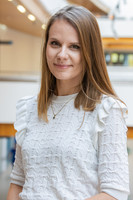
Dr. Habil. Barbara Kutryb-Zając, Assoc. Prof.
Head of Unit, Acting Coordinator
Centre of Experimental Cardiooncology
Medical University of Gdańsk
Mail barbara.kutryb-zajac@gumed.edu.pl
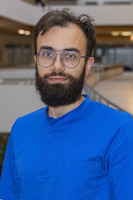
Bartłomiej Tomasik, Ph.D.
Centre of Experimental Cardiooncology
Medical University of Gdańsk
Mail bartlomiej.tomasik@gumed.edu.pl

Agata Domaros, M.Sc.
Specialist
Administration
Centre of Experimental Cardiooncology
Medical University of Gdańsk
Mail agata.domaros@gumed.edu.pl
Photo:Paweł Sudara/MUG & private archive